
“Innovating the Future of Oral Health at ADA Forsyth” with Ben Wu, DDS, PhD
Course Content
 +1266 enrolled
 Course Includes
- 1 Quiz
- Course Certificate
Course Details
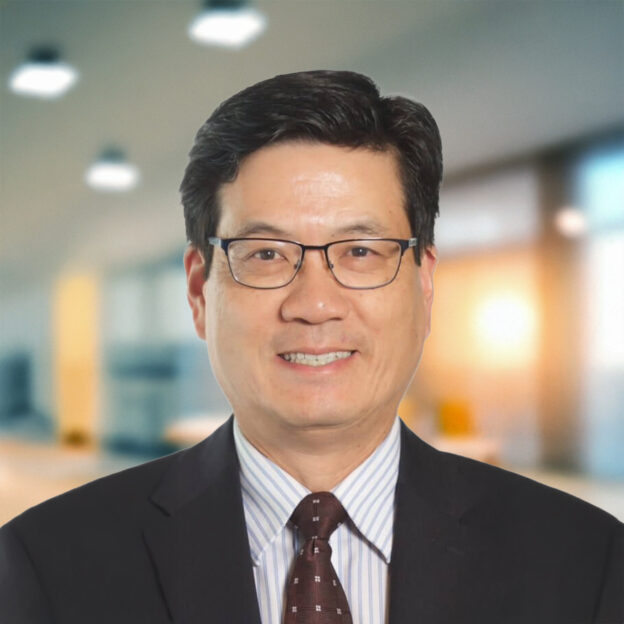
Dental Medicine and a Ph.D. in Materials Engineering from MIT, where he pioneered 3D-printing
of biomaterials. He had a prolific 22-year career at UCLA, advancing from Assistant Professor
to Full Professor and Chairman of Bioengineering in the School of Engineering, as well as
Chairman of Advanced Prosthodontics in the School of Dentistry.
While maintaining an active clinical practice, Prof. Wu’s research focused on engineering of biomaterials for
medtech and biotech applications, most notably the delivery of cells, growth factors, and genetic materials to
regenerate dental, oral, and craniofacial tissues. His research has produced over 260+ peer-reviewed articles,
30+ licensed patents, over 26,000 citations, and several FDA-cleared dental and medical solutions.
In 2023, Prof. Wu joined ADA Forsyth Institute (AFI) as Chief Scientific Officer to add Bioengineering to Forsyth’s
considerable strength in biological research. In 2024, he was appointed AFI Chief Operating Officer to direct
the expansion of AFI’s research infrastructure, and accelerate practical solutions for oral and systemic health
through AFI’s four pillars of excellence.
This lecture will provide an overview of past, current, and emerging research at the ADA Forsyth Institute (AFI), one of the world’s leading centers for oral health research. The introduction will highlight AFI’s foundational contributions to our understanding of the oral microbiome and host-pathogen interactions—work that has significantly advanced the mechanistic basis for diagnostic and therapeutic approaches in periodontology and
beyond. From the identification of key periodontal pathogens to early insights into immune responses in the
oral cavity, AFI’s research has played a central role in shaping modern dental science.
Today, AFI has expanded into craniofacial developmental biology and bioengineering. The lecture will introduce
our efforts to develop next generation of dental biomaterials being developed in AFI’s state-of-the-art research
facilities. Learn how scientists are designing smart, bioresponsive materials that not only restore defects, but
actively resist disease and promote healing—opening the door to a new era of regenerative and preventive
care. We will also explore the future of point-of-care molecular diagnostics being developed right now at AFI.
Imagine rapid chairside tools that can detect pathogens or predict disease risk from a drop of saliva—in real
time, during a routine dental visit. These innovations, still under development, promise to transform how
dentists diagnose, monitor, and personalize care for their patients in the next data-driven century of medicine
and dentistry. This session will be of interest to clinicians, researchers, and others seeking to understand how
fundamental and translational research at AFI continues to inform and advance the future of dental practice.